Canonical Tag Generator – Fix Duplicate Content and Improve SEO
Search engines want to give users the most useful and original content. But a lot of websites make more than one version of the same page by accident. Search engines may get confused by these duplicate URLs, which can change how your pages are indexed and ranked. This is when canonical tags are very important.A canonical tag generator is a simple and effective way to deal with problems with duplicate content. A rel canonical generator lets you tell search engines clearly which version of a page is the main one. This helps keep your website's authority and makes sure that your SEO efforts don't go to waste.
What is a Canonical Tag?
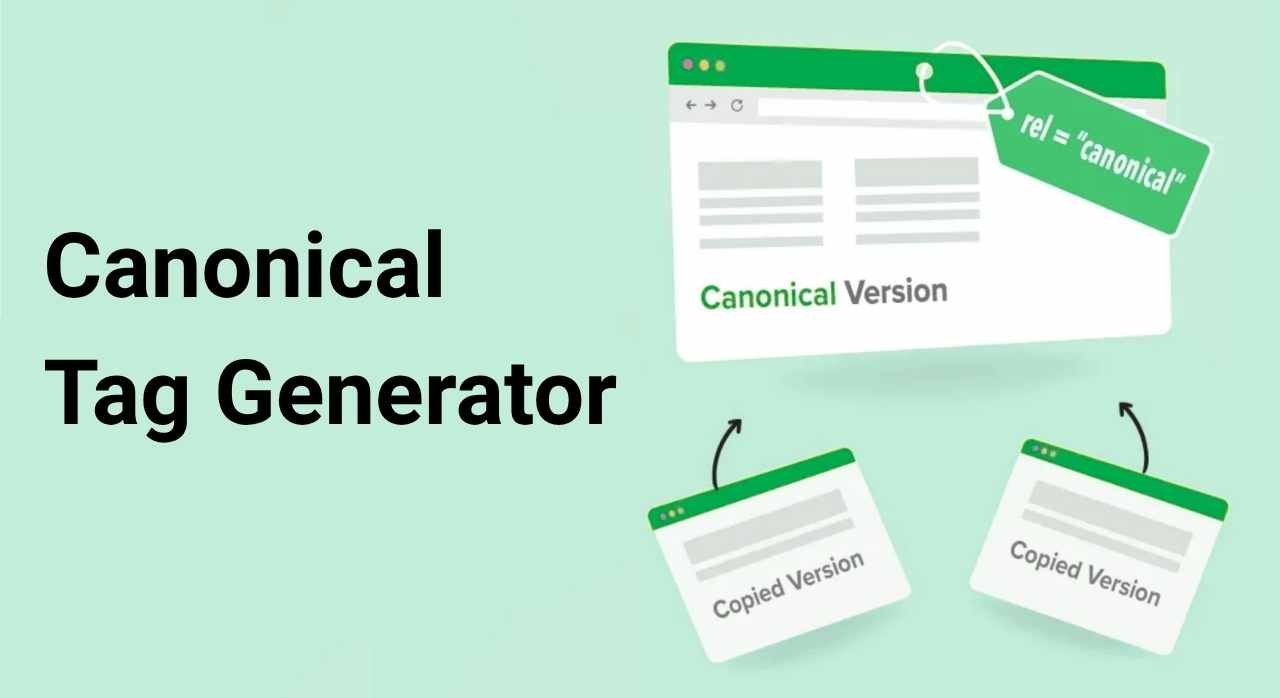
When there are multiple URLs with similar or the same content, a canonical tag tells search engines which version of the page to show. In the section of a webpage, it is written as rel="canonical."For instance, tracking parameters, filters, or small changes might make it possible for a single page to be accessed through more than one URL. If you don't use a canonical tag, search engines might think these URLs are separate pages, which could cause problems with duplicate content.Adding a canonical tag helps search engines focus on the main version of the page, which combines ranking signals and keeps things clear.
Why Duplicate Content Is a Problem
There are a number of ways that duplicate content can hurt your website's SEO performance. Search engines have a hard time figuring out which page should rank when there are several pages with similar content. This can make some pages less likely to show up in search results or even not show up at all.Another problem is that link equity is being watered down. If backlinks are spread out over different versions of the same page, the overall authority is split up instead of being focused on one URL.Duplicate content can also waste crawl budget because search engines spend time indexing multiple versions instead of focusing on pages that are unique and useful.
What Is a Canonical Tag Generator?
A canonical tag generator is a program that helps you make the right canonical tag for your website. You don't have to write the HTML code by hand; just enter the URL you want, and the tool will make the canonical tag right away.A rel canonical generator makes sure that the tag is in the right format and is ready to be put on your site. This lowers the chance of mistakes and makes the process easy for people who aren't tech-savvy to use.
How a Rel Canonical Generator Works
It's easy to use a canonical tag generator. First, you need to type in the URL of the page you want to make the main version. After that, the tool makes a canonical tag that has this URL in it.You can copy the tag and put it in the section of your webpage once it has been made. Then, search engines will see this tag and treat the URL you gave as the official version.This process makes sure that your website is consistent and stops problems with indexing that can happen when there are duplicate pages.
When Should You Use Canonical Tags?
Canonical tags are helpful in a number of situations. When your website has more than one URL for the same content, like product pages with different filters or sorting options, they are especially important.When content is shared across many websites, they are also useful because they let you show where it came from. You can also use canonical tags to handle different versions of HTTP and HTTPS, such as those with and without “www.”If you use canonical tags correctly, your site structure will stay clean and organized, and search engines will be able to understand it easily.
Benefits of Using a Canonical Tag Generator
Managing duplicate content is easier with a canonical tag generator. It makes sure that your canonical tags are correct and formatted correctly, which lowers the risk of making mistakes when you use them.It also saves time, especially for websites with a lot of pages that need to be canonicalized in the same way. You can make tags for each page quickly and easily instead of having to do it by hand.Most importantly, it helps keep your SEO performance safe. Canonical tags help search engines find the right version of your content and combine ranking signals. This makes your website more visible and trustworthy.
Best Practices for Canonical Tags
Following best practices is important if you want to get the most out of canonical tags. The canonical URL should always lead to the best and most relevant version of the page. It should also fit in with how you link to other pages on your site.Don't use canonical tags the wrong way, like pointing all pages to the homepage, because this can hurt your SEO. There should be a self-referencing canonical tag on every page, unless there is a good reason to link to another URL.Checking your canonical tags on a regular basis makes sure they stay correct as your website changes.
Conclusion
If you don't deal with duplicate content correctly, it can hurt your website's search performance. Canonical tags are a reliable way to show which version of your content is the best.Using a canonical tag generator makes this process quick and easy. A rel canonical generator lets you make accurate tags without having to deal with complicated technical issues. This helps your website keep a strong and consistent SEO base.Adding canonical tags to a website is a must if it wants to improve indexing, keep its authority, and avoid problems with duplicate content.
Frequently Asked Question(FAQ)
1. What is a canonical tag generator?
A canonical tag generator makes rel=canonical tags that tell search engines which version of a webpage is the best one.
2. What does a rel canonical tag do?
It tells search engines which URL to treat as the main one when there are duplicate or similar pages.
3. Where should I add the canonical tag?
You should put the canonical tag in the <head> part of your webpage.
4. Why is duplicate content harmful for SEO?
Search engines can get confused by duplicate content, which can lower rankings and split link authority between pages.
5. Can I use canonical tags for different domains?
Yes, you can use canonical tags across domains to show where content came from.
6. Is a canonical tag generator free to use?
A lot of tools have a free canonical tag generator that makes it easy to use.
7. Should every page have a canonical tag?
Unless otherwise stated, it is best for every page to have a self-referencing canonical tag.
8. Can incorrect canonical tags affect SEO?
Yes, if you don't do it right, it can cause problems with indexing and loss of rankings.
9. Do canonical tags improve rankings directly?
They don't directly raise rankings, but they help consolidate signals, which can make SEO work better overall.
10. What is the difference between canonical and redirect?
A canonical tag tells search engines and users which URL is best, while a redirect sends them to a different page.